Understanding the Importance of Non-Slip Solutions in the Home
Non-slip solutions play a vital role in creating safer living environments by addressing common hazards that lead to falls and injuries within residential spaces. Homeowners often overlook how everyday surfaces like tile, hardwood, and laminate can become dangerously slick when wet or worn, making proactive measures essential for all family members including children and seniors. Implementing these solutions begins with assessing high-traffic areas such as entryways, hallways, and living rooms where spills or tracked-in moisture frequently occur. Proper evaluation helps identify specific risks unique to each household layout and allows for targeted interventions that prevent accidents before they happen. Over time consistent application of non-slip strategies contributes to overall peace of mind and reduces potential medical costs associated with slip-related incidents. Families benefit from integrating these measures early during home renovations or as part of routine maintenance schedules to ensure lasting protection across seasons.
Non-Slip Flooring Options for Kitchens and Bathrooms
Selecting appropriate flooring materials represents one of the most effective ways to minimize slip risks in moisture-prone zones like kitchens and bathrooms where water exposure happens daily. Options such as textured ceramic tiles with matte finishes provide superior grip compared to polished surfaces while maintaining aesthetic appeal for modern interiors. Homeowners should consider vinyl planks designed with built-in traction layers that resist staining and offer cushioning underfoot for added comfort during prolonged standing. In bathrooms specialized porcelain tiles featuring micro-textures help channel water away from walking paths reducing puddle formation that often causes falls. Regular cleaning routines combined with these flooring choices maintain their effectiveness without requiring harsh chemicals that might degrade the surface over years of use. Professional installation ensures seams and edges remain secure preventing any lifting that could create new tripping points in these critical areas.
Evaluating Material Durability and Maintenance Needs
Durability testing for non-slip flooring involves checking resistance to heavy foot traffic and frequent cleaning cycles common in family households. Materials like stone-look tiles treated with anti-slip coatings withstand years of use while preserving their original traction properties even after exposure to soap residues or food spills. Maintenance schedules typically include weekly inspections for wear patterns that might compromise safety features allowing timely reapplication of protective treatments when necessary. Choosing products with manufacturer warranties covering slip performance provides additional assurance that the investment will deliver reliable results throughout the home’s lifespan. This careful selection process ultimately supports long-term household safety without frequent replacements disrupting daily routines.
Effective Use of Anti-Slip Mats and Rugs Throughout the House
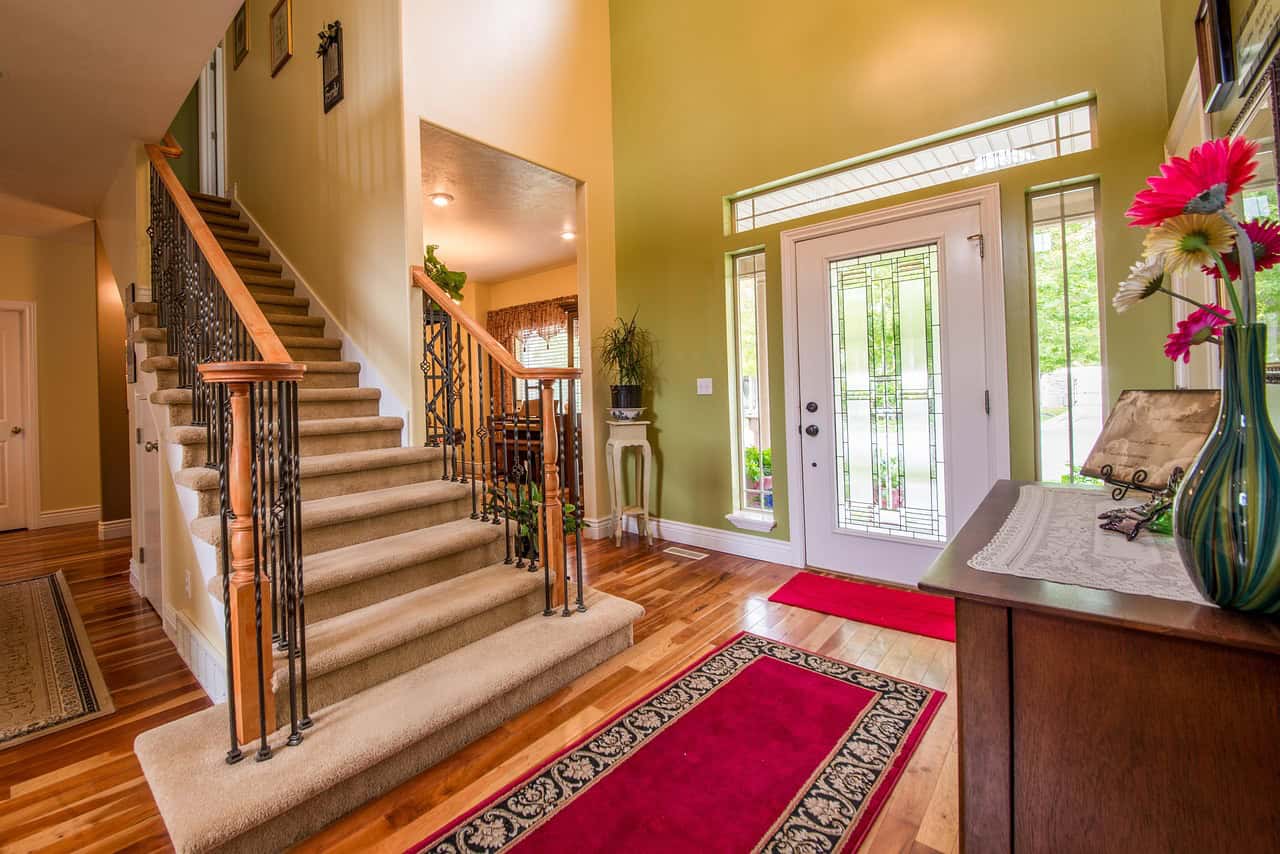
Anti-slip mats and rugs serve as versatile additions that enhance traction on existing floors without permanent alterations making them ideal for renters or those seeking flexible home improvements. These items feature rubberized backings that grip firmly to surfaces preventing movement during normal activities like walking or playing. Placement in entryways captures dirt and moisture while the textured tops provide immediate stability for shoes coming indoors from wet conditions. In living areas larger rugs with certified non-slip properties protect high-polish floors from scratches while offering comfortable seating zones that reduce fall risks during family gatherings. Regular rotation and cleaning of these accessories preserve their grip strength and prevent buildup of allergens that could affect indoor air quality. Homeowners find that layering multiple sizes creates comprehensive coverage tailored to each room’s layout and usage patterns. Non Slip Solutions for improve safety can further guide selection of premium options suited to specific household needs.
Selecting the Right Sizes and Materials for Maximum Coverage
Proper sizing ensures mats and rugs cover entire walkways and transition zones where slips are most likely to occur in busy households. Materials such as natural rubber or recycled foam offer eco-friendly choices that deliver strong adhesion without off-gassing chemicals harmful to indoor environments. Seasonal adjustments allow heavier padded versions in winter months to combat tracked snow while lighter breathable fabrics suit summer conditions with increased barefoot traffic. Testing adhesion on various floor types before full deployment confirms compatibility and prevents any shifting that undermines their protective purpose over extended periods.
Choosing the Right Non-Slip Footwear for Indoor Use
Indoor footwear designed with specialized soles contributes significantly to personal stability especially for individuals who spend considerable time moving around the house performing chores or caring for others. Slip-resistant shoes often incorporate rubber compounds and tread patterns engineered to channel liquids away from contact points maintaining consistent friction on smooth surfaces. Families benefit from designating pairs for different areas such as waterproof options near bathrooms and softer grips for carpeted bedrooms to avoid unnecessary wear. Comfort features like arch support and breathable uppers encourage consistent wear which amplifies the safety benefits across all daily activities. Regular inspection for sole degradation ensures continued effectiveness and prompts timely replacements before traction diminishes noticeably. This approach integrates seamlessly with other home modifications creating layered protection that addresses both environmental and behavioral factors.
Installing Non-Slip Tapes and Strips in High-Risk Areas
Non-slip tapes and adhesive strips offer targeted reinforcement for stairs, ramps, and thresholds where concentrated foot pressure increases accident likelihood. These products apply easily to existing surfaces and come in transparent or matching colors that blend with decor without drawing attention. Proper surface preparation involving thorough cleaning and drying maximizes bond strength ensuring the strips remain secure through repeated cleaning and foot traffic. Homeowners should measure each area accurately to avoid gaps that could reduce overall coverage and compromise safety in transitional spaces. Periodic checks for edge lifting allow prompt repairs that extend product life and maintain reliable performance year after year. Combining these strips with broader flooring upgrades creates a complete system tailored to the unique architecture of each residence.
Maintenance and Best Practices for Long-Term Slip Prevention
Ongoing maintenance routines sustain the effectiveness of all non-slip measures ensuring continued protection against evolving household hazards. Establishing weekly cleaning protocols removes residues that dull traction surfaces while monthly inspections identify early signs of wear requiring intervention. Educating all residents about safe practices such as immediate spill cleanup reinforces the physical solutions already in place and fosters a culture of awareness. Seasonal deep cleans combined with reapplication of treatments where applicable keep surfaces performing at optimal levels throughout changing weather conditions. Documenting these activities helps track performance trends and informs future upgrades when current solutions show limitations. This systematic approach transforms one-time installations into enduring safety features that adapt alongside family needs over time.